

What procedure would make my nose larger?
26 janvier 2026
Unveiling the New You : Life after Rib Cartilage Rhinoplasty
28 janvier 2026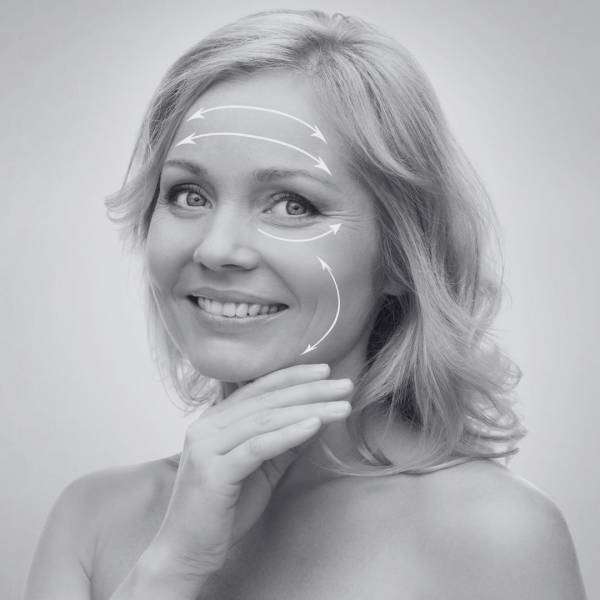
Optimum LIFT™ Mini Lift: Targeted Lower Face & Neck Correction
In the ever-evolving landscape of aesthetic medicine, the desire for a refreshed, youthful appearance without the extensive downtime and invasiveness of traditional surgery has led to the rise of specialized procedures. Among these, the « mini lift » has carved out a significant niche, offering a less extensive yet effective solution for early to moderate signs of facial aging. The « Optimum LIFT™ Mini Lift, » as a branded procedure, represents a specific surgeon’s or clinic’s refined technique within this category, aiming to deliver optimal results with minimal intervention.
At its core, a mini lift is a surgical procedure designed to address sagging skin and soft tissues in the lower face and upper neck. Unlike a full facelift, which targets a broader area and involves more extensive dissection, a mini lift focuses on specific concerns such as jowls, a lax jawline, and mild to moderate neck laxity. It’s often chosen by individuals who are beginning to notice the effects of aging but are not yet candidates for, or do not desire, a more comprehensive facelift. The promise of shorter incisions, quicker recovery, and natural-looking results makes the mini lift an attractive option for many.
The Science of Facial Aging : Why We Sag
To appreciate the effectiveness of a mini lift, it’s crucial to understand the complex processes that lead to facial aging. Aging is a multi-faceted phenomenon influenced by genetics, environmental factors (like sun exposure and pollution), lifestyle choices (smoking, diet), and the relentless pull of gravity. These factors collectively contribute to visible changes in the face and neck, including:
- Skin Laxity: Over time, the skin loses its elasticity and collagen, the structural proteins that keep it firm and supple. This leads to thinning, fine lines, wrinkles, and ultimately, sagging.
- Fat Redistribution and Loss: Facial fat pads, which provide youthful volume, tend to atrophy, descend, or shift with age. This loss of volume in areas like the cheeks can create hollows, while descent contributes to jowls and deeper nasolabial folds (lines from the nose to the corners of the mouth) and marionette lines (lines from the corners of the mouth downwards).
- Muscle Laxity (SMAS Layer): Beneath the skin and subcutaneous fat lies the Superficial Musculoaponeurotic System (SMAS). This fibrous layer connects the facial muscles to the dermis. With age, the SMAS weakens and stretches, losing its ability to support the overlying tissues. This laxity of the SMAS is a primary contributor to jowl formation and the descent of the cheek and neck tissues.
- Bone Resorption: The underlying facial bone structure also undergoes changes with age. Bone loss, particularly around the eye sockets, mid-face, and jawline, can diminish structural support, exacerbating the appearance of sagging and hollowing.
- Neck Changes: The platysma muscle in the neck can separate and form visible vertical bands, often referred to as « turkey wattle. » Excess skin and fat accumulation in the neck further contribute to an aged appearance, blurring the definition of the jawline.
A mini lift, including the « Optimum LIFT™ » variant, primarily targets the skin and SMAS laxity in the lower face and upper neck, aiming to reposition these tissues to a more youthful contour.
What is a Mini Lift ? Defining the « Optimum LIFT™ » Philosophy
A mini lift is a surgical procedure that falls under the umbrella of rhytidectomy (facelift) but is less extensive than a traditional full facelift. Its defining characteristics include:
- Shorter Incisions: Incisions are typically limited to the area around the ear, often not extending significantly into the posterior hairline. This is why it’s frequently called a « short-scar facelift. »
- Less Extensive Dissection: The amount of skin and tissue elevated is less than in a full facelift, leading to less trauma, swelling, and a quicker recovery.
- Targeted Rejuvenation: The primary focus is on improving the jawline, reducing jowls, and tightening mild to moderate laxity in the upper neck. It generally does not address significant mid-face descent or extensive neck banding.
- SMAS Manipulation: While less extensive, a mini lift still involves tightening the underlying SMAS layer, which is crucial for long-lasting and natural-looking results. Simply pulling the skin would result in a « stretched » or unnatural appearance and short-lived effects.
The « Optimum LIFT™ Mini Lift » would likely embody these general principles, possibly with a particular emphasis on:
- Specific Incision Design: A unique or preferred incision pattern that minimizes visibility and optimizes healing.
- Refined SMAS Technique: A particular method of SMAS plication, imbrication, or excision that the surgeon believes yields superior results for their target patient demographic.
- Emphasis on Natural Results: A strong focus on avoiding an over-pulled look, aiming for subtle, harmonious rejuvenation.
- Optimized Recovery Protocol: Specific pre- and post-operative instructions designed to enhance healing and minimize downtime.
- Combination with Adjunctive Procedures: The « Optimum LIFT™ » might also imply a common pairing with other procedures, such as liposuction of the neck, fat grafting for volume restoration, or laser resurfacing for skin texture improvement, to achieve a more comprehensive « optimal » result.
Candidacy for a Mini Lift: Is It Right for You?
Determining if an « Optimum LIFT™ Mini Lift » or any mini lift is the appropriate procedure involves a thorough consultation with a board-certified plastic surgeon. Ideal candidates typically share several characteristics:
- Age: While there’s no strict age limit, mini lift patients are often in their late 30s, 40s, or 50s. They are usually experiencing the early to moderate signs of aging. Younger patients might seek it for preventative measures or early correction, while older patients with more advanced aging might require a full facelift.
- Degree of Laxity: Candidates should have mild to moderate jowling, a somewhat blurred jawline, and mild to moderate skin laxity in the upper neck. Significant neck banding, extensive skin excess, or deep mid-face sagging are usually better addressed with a full facelift or a neck lift.
- Skin Elasticity: Good skin elasticity is crucial for optimal results. Skin that retains some of its natural recoil will redrape more smoothly and naturally after the lift.
- Overall Health: Patients must be in good general health, without serious medical conditions that could increase surgical risks or impair healing. Conditions like uncontrolled diabetes, heart disease, or bleeding disorders may contraindicate surgery.
- Non-Smoker: Smoking significantly impairs blood flow and healing, increasing the risk of complications such such as skin necrosis and infection. Surgeons typically require patients to stop smoking several weeks before and after surgery.
- Realistic Expectations: A mini lift can provide a noticeable, natural-looking improvement, but it does not stop the aging process. Patients must understand the limitations of the procedure and have realistic expectations about the outcomes and longevity. It’s about turning back the clock a few years, not completely transforming one’s appearance.
- Stable Weight: Significant weight fluctuations after surgery can negatively impact the results. Patients should be at or near their ideal stable weight before undergoing the procedure.
The Consultation Process: Your First Step Towards Rejuvenation
The initial consultation is arguably the most critical step. During this appointment, the surgeon will:
- Review Medical History: Discuss past surgeries, current medications (including supplements and over-the-counter drugs), allergies, and any existing medical conditions.
- Perform a Physical Examination: Assess your facial structure, skin quality, degree of laxity, fat distribution, and bone prominence. The surgeon will evaluate the jowls, jawline, neck, and mid-face to determine the extent of aging and the most appropriate surgical approach.
- Discuss Your Goals and Expectations: Understand what bothers you most about your appearance and what you hope to achieve. This is a crucial step to ensure alignment between your desires and what the surgery can realistically deliver.
- Explain Surgical Options: The surgeon will detail whether a mini lift is suitable, or if a full facelift, neck lift, or even non-surgical alternatives might be more appropriate. They will explain the specific techniques they use, which in the case of « Optimum LIFT™ » would involve outlining their particular methodology.
- Review Before-and-After Photos: Show examples of previous patients with similar concerns to give you a visual understanding of potential outcomes.
- Discuss Risks and Benefits: Provide a comprehensive overview of potential complications and the expected advantages of the procedure.
- Outline Pre- and Post-Operative Instructions: Provide detailed guidance on how to prepare for surgery and what to expect during recovery.
- Address Financial Considerations: Discuss the cost of the procedure, including surgeon’s fees, anesthesia fees, and facility fees.
This detailed discussion ensures that you are fully informed and comfortable proceeding with the « Optimum LIFT™ Mini Lift » or any other recommended procedure.
The Surgical Journey: What Happens During an « Optimum LIFT™ Mini Lift »
While the « Optimum LIFT™ » specific technique will have its unique refinements, the general steps of a mini lift are as follows:
1. Anesthesia
Mini lifts are often performed under local anesthesia with intravenous sedation, meaning you’ll be awake but relaxed and comfortable, feeling no pain. Some patients and surgeons may prefer general anesthesia, especially if combined with other procedures or if the patient has significant anxiety. The choice of anesthesia will be discussed during your consultation.
2. Incision Placement
This is a hallmark of the mini lift. The incisions are shorter and more discreet than those of a traditional facelift. Typically, they are placed:
- In front of the ear: Starting within the hairline at the temple or along the natural crease where the ear meets the face.
- Around the earlobe: Following the natural contours.
- Behind the tragus: (the small cartilage flap in front of the ear canal) to hide the scar.
- Potentially extending into the posterior ear crease: But usually not significantly into the posterior hairline, which helps distinguish it from a full facelift.
The « Optimum LIFT™ » might feature a specific, proprietary incision pattern designed for maximum camouflage and optimal lift vectors.
3. Dissection and Tissue Repositioning
- Skin Elevation: A limited amount of skin is carefully separated from the underlying tissues. This dissection is less extensive than in a full facelift, reducing trauma and recovery time.
- SMAS Manipulation: This is the critical step for long-lasting results. The surgeon will tighten and reposition the Superficial Musculoaponeurotic System (SMAS) layer. Common SMAS techniques used in mini lifts include:
- Plication: Folding and suturing the SMAS layer to tighten it.
- Imbrication: Overlapping and suturing sections of the SMAS.
- SMASectomy: Excising a small strip of SMAS before suturing the edges together.
- Suspension Sutures (e.g., MACS Lift): Using permanent sutures to lift and suspend the SMAS and overlying tissues in a vertical direction.
The « Optimum LIFT™ » would likely employ a specific, preferred SMAS technique, potentially combined with particular vectors of lift (e.g., more vertical to counteract gravity) to achieve its « optimal » outcome. This manipulation of the SMAS is what provides the deep structural support, lifting the jowls and defining the jawline without creating a « pulled » look.
4. Excess Skin Removal
Once the underlying SMAS and soft tissues are repositioned, the excess skin is carefully redraped over the newly contoured face. The redundant skin is then meticulously trimmed along the incision lines. The goal is to remove just enough skin to achieve a smooth, natural contour without tension.
5. Closure
The incisions are closed in multiple layers using fine sutures. The deep layers help support the tissues, while the superficial sutures meticulously approximate the skin edges to minimize scarring. The surgeon will take great care to ensure the tension is distributed evenly and that the scars are hidden within natural creases or the hairline.
6. Drainage (Optional) and Dressing
In some cases, a small, temporary drain may be placed to collect any excess fluid or blood, though this is less common with mini lifts due to the limited dissection. A soft compression bandage is typically applied immediately after surgery to minimize swelling and bruising and to help the tissues adhere to their new position.
The entire « Optimum LIFT™ Mini Lift » procedure typically takes 2 to 3 hours, depending on the extent of correction and whether it’s combined with other procedures.
Pre-Operative Preparation: Setting the Stage for Success
Proper preparation is vital for a smooth surgery and optimal recovery. Your surgeon will provide specific instructions, which generally include:
- Medical Clearance: Obtain medical clearance from your primary care physician, including necessary blood tests and potentially an EKG, to ensure you are fit for surgery.
- Medication Review: Discontinue blood-thinning medications (e.g., aspirin, ibuprofen, certain herbal supplements like ginkgo biloba, vitamin E) for at least two weeks prior to surgery, as advised by your surgeon.
- Smoking Cessation: Stop smoking at least 4-6 weeks before surgery and continue to abstain during recovery.
- Alcohol Restriction: Avoid alcohol for at least a week before surgery.
- Arrange for Assistance: Arrange for a trusted friend or family member to drive you home after surgery and assist you during the first 24-48 hours of recovery.
- Prepare Your Home: Stock up on soft foods, pain medication, comfortable clothing (button-down shirts are ideal to avoid pulling over the head), and entertainment.
- Hydration and Nutrition: Maintain good hydration and a healthy diet in the weeks leading up to surgery.
- Avoid Sun Exposure: Protect your skin from excessive sun exposure before surgery.
- Shower with Antibacterial Soap: You may be asked to shower with a special antibacterial soap the night before and the morning of surgery.
Post-Operative Care and Recovery: The Path to Rejuvenation
Recovery from an « Optimum LIFT™ Mini Lift » is generally quicker and less arduous than from a full facelift, but it still requires patience and adherence to your surgeon’s instructions.
Immediately After Surgery (Day 0-3):
- Compression Garment: You will wake up with a compression bandage around your head and neck. This helps reduce swelling and bruising and provides support. It’s usually worn continuously for the first few days, then possibly only at night for a few weeks.
- Discomfort: Expect some discomfort, tightness, and numbness. Pain medication will be prescribed to manage this.
- Swelling and Bruising: Significant swelling and bruising are normal. These will be most noticeable in the first 2-3 days.
- Sleeping Position: Sleep with your head elevated (using several pillows or a recliner) for at least 1-2 weeks to minimize swelling.
- Activity Restriction: Avoid bending, lifting, straining, or any strenuous activity. Keep your head elevated and avoid turning it sharply.
- Diet: Stick to soft, easy-to-chew foods initially.
- Incision Care: Keep incisions clean and dry. Your surgeon will instruct you on how to care for them.
First Week:
- Follow-up Appointment: Your first post-operative appointment will typically be within 5-7 days for bandage removal and suture check.
- Swelling Reduction: Swelling and bruising will gradually begin to subside, though some may persist.
- Light Activity: You can resume light, non-strenuous activities.
- Social Downtime: Most people feel comfortable returning to light social activities or work (if not physically demanding) after 7-10 days, though some residual bruising or swelling might still be noticeable and can be camouflaged with makeup.
Weeks 2-4:
- Continued Improvement: Swelling and bruising continue to resolve.
- Return to Most Activities: You can gradually resume most normal activities, including light exercise, but avoid heavy lifting or high-impact activities.
- Numbness: Numbness in certain areas of the face and neck is common and usually resolves over several weeks to months as nerves regenerate.
- Scar Maturation: Incision lines will still be pink but will begin to fade over time. Protect them from sun exposure.
Months 1-6 and Beyond:
- Final Results Emerge: The final contours of your « Optimum LIFT™ » will become more apparent as all swelling dissipates. This can take several months.
- Scar Fading: Scars will continue to mature and lighten, eventually becoming barely perceptible.
- Long-Term Care: Continue to protect your skin from the sun, maintain a healthy lifestyle, and follow your surgeon’s recommendations for skincare.
The total downtime for a mini lift is typically 1-2 weeks for initial recovery and return to social activities, with full resolution of swelling and final results taking several months.
Potential Risks and Complications
While an « Optimum LIFT™ Mini Lift » is generally safe when performed by a qualified, board-certified plastic surgeon, all surgical procedures carry potential risks. It’s important to be aware of these:
- Hematoma: The most common complication, a collection of blood under the skin. It may require surgical drainage but typically does not affect the final aesthetic outcome if treated promptly.
- Infection: Rare, but possible. Treated with antibiotics.
- Adverse Reaction to Anesthesia: Risks associated with any type of anesthesia.
- Nerve Injury:
- Facial Nerve Injury: Extremely rare, but possible. Can lead to temporary or, in very rare cases, permanent facial weakness or asymmetry (e.g., difficulty smiling). Most nerve weakness is temporary.
- Sensory Nerve Injury: Can cause temporary or persistent numbness in areas of the face or ear.
- Skin Necrosis: Tissue death due to compromised blood supply. More common in smokers.
- Unsatisfactory Scarring: While incisions are carefully placed, some individuals may develop hypertrophic or keloid scars, which are raised and red.
- Asymmetry: Minor degrees of asymmetry are natural and often pre-exist surgery. Significant asymmetry is rare but can occur.
- Hair Loss: Temporary or, rarely, permanent hair loss around the incision sites in the hairline.
- Persistent Swelling or Bruising: Can take longer to resolve in some individuals.
- Unsatisfactory Aesthetic Outcome: This can include an « over-pulled » or unnatural appearance, insufficient lift, or contour irregularities. This risk is minimized by choosing an experienced surgeon and having realistic expectations.
Your surgeon will discuss these risks in detail during your consultation and take all necessary precautions to minimize them.
Results and Longevity: What to Expect from an « Optimum LIFT™ »
The results of an « Optimum LIFT™ Mini Lift » are typically a more defined jawline, reduced jowls, and a smoother, subtly lifted appearance in the lower face and upper neck. The goal is to achieve a natural-looking rejuvenation that makes you look refreshed and rested, rather than « done. »
- Natural Appearance: A well-executed mini lift should enhance your natural features without making it obvious that you’ve had surgery.
- Improved Contours: The primary benefit is the restoration of a more youthful jawline and the reduction of sagging in the lower face.
- Longevity: While a mini lift does not stop the aging process, its results are long-lasting. Typically, the improvements can last 5 to 10 years, or even longer for some individuals. The aging process will continue from your « new » baseline.
- Maintenance: To extend the results, many patients opt for non-surgical maintenance treatments such as injectables (Botox, fillers), laser treatments, or medical-grade skincare.
Mini Lift vs. Other Rejuvenation Options
Understanding how a mini lift compares to other options helps in making an informed decision:
1. Mini Lift vs. Full Facelift
- Extent of Correction:
- Mini Lift: Focuses on the lower face (jowls, jawline) and mild upper neck laxity.
- Full Facelift: Addresses the mid-face (cheeks, nasolabial folds), lower face, and the entire neck (including significant platysmal banding).
- Incisions:
- Mini Lift: Shorter, typically around the ear, often not extending far into the posterior hairline.
- Full Facelift: Longer, extending from the temples, around the ear, and into the posterior hairline.
- Dissection:
- Mini Lift: Less extensive, less undermining of skin.
- Full Facelift: More extensive, deeper dissection, often involving more complex SMAS techniques.
- Recovery:
- Mini Lift: Shorter downtime (1-2 weeks).
- Full Facelift: Longer downtime (2-4 weeks or more).
- Ideal Candidate:
- Mini Lift: Younger patients with early to moderate signs of aging.
- Full Facelift: Patients with more advanced signs of aging in the mid-face and neck.
2. Mini Lift vs. Neck Lift
- Focus:
- Mini Lift: Primarily lower face and upper neck.
- Neck Lift: Solely focuses on the neck, addressing platysmal bands, excess skin, and fat. Often combined with a mini lift or full facelift.
- Incisions:
- Mini Lift: Around the ears.
- Neck Lift: Under the chin (submental) and/or behind the ears.
3. Mini Lift vs. Non-Surgical Options (Fillers, Botox, Threads, Ultherapy, Thermage)
- Invasiveness:
- Mini Lift: Surgical, invasive.
- Non-Surgical: Minimally invasive or non-invasive.
- Results:
- Mini Lift: More significant, longer-lasting lift and contour improvement. Addresses underlying structural laxity.
- Non-Surgical: Temporary, more subtle improvements. Fillers restore volume, Botox relaxes muscles, threads offer a temporary lift, energy-based devices tighten skin superficially.
- Downtime:
- Mini Lift: 1-2 weeks.
- Non-Surgical: Minimal to no downtime.
- Cost:
- Mini Lift: Higher upfront cost, but longer-lasting results.
- Non-Surgical: Lower upfront cost, but require regular maintenance, accumulating cost over time.
For patients with early signs of aging, a mini lift can offer a significant improvement that non-surgical options cannot achieve, without the extensive recovery of a full facelift.
The « Optimum LIFT™ Mini Lift » for Refined Rejuvenation
The « Optimum LIFT™ Mini Lift, » as a specialized approach to the mini facelift, offers a powerful solution for individuals seeking to address the early to moderate signs of aging in the lower face and upper neck. By employing shorter incisions and focusing on the crucial SMAS layer, it delivers natural-looking, long-lasting results with a significantly reduced recovery period compared to a traditional facelift.
While the specific techniques of an « Optimum LIFT™ » will be unique to the practitioner who developed it, the core principles remain consistent with modern mini lift surgery: precise tissue repositioning, careful skin redraping, and meticulous closure to achieve a refreshed, harmonious, and youthful appearance.
The decision to undergo any cosmetic surgery, including a mini lift, should be made after careful consideration and thorough consultation with a board-certified plastic surgeon. A skilled surgeon will assess your individual needs, discuss your goals, explain the procedure in detail, and ensure you have realistic expectations. When performed by an experienced professional, an « Optimum LIFT™ Mini Lift » can be a transformative procedure, helping you regain confidence and reflect the vitality you feel inside.
