


Cellulite, Meet Your Match: Discover the Power of Vaser Smooth!
9 mars 2026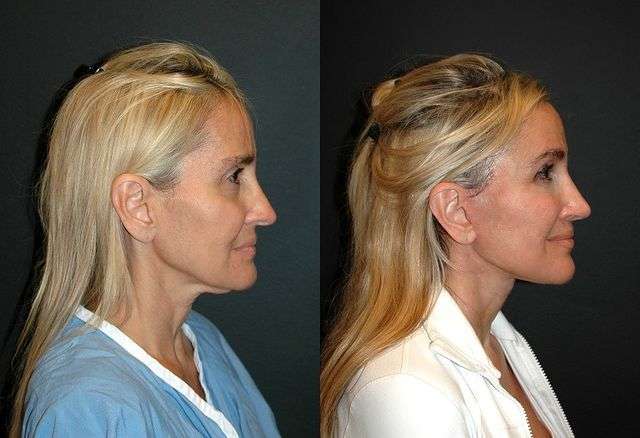
Deep Plane Facelift with Full Structural Restoration
A Deep Plane Facelift with Full Structural Restoration is an advanced surgical technique designed to rejuvenate the face by addressing deeper layers of skin and tissues. This approach offers more natural and lasting results compared to traditional facelift methods, allowing for a comprehensive restoration of lost volume and support. This guide will delve into the specifics of this procedure, its benefits, recovery, and what to expect.
What is a Deep Plane Facelift ?
The Deep Plane Facelift is a surgical procedure that focuses on the deeper layers of the facial structure, including the SMAS (Superficial Muscular Aponeurotic System) layer. This technique allows surgeons to reposition tissues more effectively, resulting in a more youthful and natural appearance.
Full Structural Restoration
Full Structural Restoration refers to the comprehensive approach to facial rejuvenation, targeting not just the skin surface but also the underlying structures that support the face, such as fat pads, ligaments, and muscles. This approach blends lifting techniques with volumetric restoration, creating a harmonious and rejuvenated facial appearance.
Indications for a Deep Plane Facelift
The Deep Plane Facelift is suitable for various patients, particularly those who:
- Are experiencing significant signs of aging, such as sagging skin, deep nasolabial folds, and jowls.
- Desire a more youthful and refreshed appearance without looking artificially altered.
- Have realistic expectations about the outcomes of surgical intervention.
The Procedure : Step by Step
The integration of structural fat grafting prior to a deep plane facelift represents a paradigm shift in facial rejuvenation surgery. Unlike conventional techniques that often emphasize skin tension and lifting, this method focuses on biomechanical restoration. By rebuilding facial volume before mobilizing deeper layers, surgeons can achieve more natural and sustainable results. This guide examines the strategic sequence in this surgical approach, detailing its benefits, techniques involved, and the rationale behind it.
The concept of biomechanical Restoration
Rationale for Sequential Approach
Performing fat grafting before a deep plane facelift is not conventional. However, this sequencing offers several advantages:
- Increased Load-Bearing Capacity: By augmenting the SMAS-platysma composite unit with native fat volume, there is enhanced support for the overlying structures. This added volume helps distribute tension more evenly across the facial tissues.
- Reduced Reliance on Skin Tension: This method decreases dependency on the skin for maintaining lifted results, thereby minimizing the risks of postoperative complications related to skin tension and wound healing.
- Distribution of Traction Forces: Placing fat micro-aliquots throughout various facial zones allows for even distribution of forces. This creates a more stable foundation for subsequent lifting procedures.
Target Areas for Fat Grafting
Strategically, volume is placed in specific areas, including:
- Tear Troughs and Lower Lids: Addressing hollowness that can contribute to a tired appearance.
- Brows: Enhancing the upper facial frame.
- Malar and Submalar Cheeks: Restoring youthful fullness and improving mid-face contours.
- Canine Sulcus and Pre-Jowl Sulcus: Minimizing nasolabial folds and enhancing jawline definition.
- Chin: Providing balance and harmony to facial dimensions.
This targeted volumization fundamentally reframes the surgical intervention as a biomechanical restoration rather than merely an artistic endeavor.
Additional Surgical Procedures
Upper and Lower Blepharoplasty
After structural fat grafting, upper and lower blepharoplasty is performed with fat repositioning. This technique revitalizes the periorbital area by:
- Removing Excess Skin: Addressing sagging eyelids and reducing puffiness.
- Repositioning Fat: Placing fat in areas of deficiency to enhance contour and restore youthfulness.
Endoscopic Brow Lift
An endoscopic brow lift is conducted to rejuvenate the upper third of the face, providing several benefits:
- Minimally Invasive: Using small incisions reduces scarring.
- Restoring Position: It elevates the brow to its natural position, enhancing overall facial harmony.
Nanofat Grafting
Nanofat is introduced subdermally to improve skin quality at the regenerative level. This step is crucial for:
- Stimulating Regeneration: Nanofat promotes collagen production and enhances skin texture.
- Filling In Fine Lines: It provides a more refined appearance, addressing superficial signs of aging.
Lip Lift
A lip lift is performed to restore the upper lip’s position relative to the rejuvenated midface, ensuring:
- Proportional Harmony: This procedure enhances the structural balance of the face by ensuring the lips are aesthetically aligned with other features.
CO2 Laser Resurfacing
At the conclusion of the surgery, CO2 laser resurfacing is utilized to address the skin envelope directly, enhancing:
- Surface Texture: This technique improves fine lines, pigmentation, and overall skin quality.
- Post-Surgical Recovery: It helps stimulate healing and may complement the rejuvenative effects provided by fat grafting.
Addressing Neck Concerns
When addressing neck issues, a tailored architectural approach is imperative. In the case of significant submandibular gland ptosis and loss of cervicomental definition, conventional techniques may yield suboptimal results. Instead, the following advanced techniques are employed:
Deep Neck Dissection
This includes excision of the submandibular gland while addressing sagging and definition loss:
- Gland Excision: Essential for reducing weight and bulk that may contribute to poor neck contour.
- Mastoid Crevasse Maneuver: A unique technique co-developed with Dr. Talei; it involves seeding the lifted platysma-SMAS unit into a three-dimensional recess at the anterior mastoid wall.
Mechanical Fulcrum Concept
The mastoid crevasse maneuver serves multiple purposes:
- Stable Fixation: Provides a robust posterior-superior fixation point that supports the anatomy dynamically.
- Vertical Suspension: Utilizes the gonial angle as a mechanical fulcrum to achieve a near-90-degree suspension vector for the submandibular triangle and submentum.
This optimized structural positioning eliminates tension concentration at the incision line, significantly enhancing outcomes in neck rejuvenation.
Benefits of a Deep Plane Facelift
1. Natural Results
The Deep Plane Facelift allows for a more natural look since it addresses the structural aspects of the face rather than just lifting the skin.
2. Long-Lasting Effects
By restoring the deeper layers of the face, results from a Deep Plane Facelift may last longer than traditional methods, often for 10 years or more.
3. Minimized Scarring
With incisions placed strategically in natural creases, scarring is less visible.
4. Improved Facial Harmony
This technique restores balance by addressing multiple areas, including cheeks, jawline, and neck, resulting in a more cohesive appearance.
5. Less Downtime
Patients often experience quicker recovery due to the precise nature of the technique, allowing them to return to normal activities sooner.
Risks and Considerations
As with any surgical procedure, the Deep Plane Facelift carries certain risks:
- Infection: Although rare, infections can occur at the incision sites.
- Scarring: While efforts are made to minimize this, some scarring is inevitable.
- Nerve Damage: There is potential for temporary or permanent nerve injury, affecting facial movement or sensation.
- Anesthesia Risks: General anesthesia carries inherent risks, which should be discussed thoroughly with the anesthesiologist.
- Unsatisfactory Results: There is a possibility that results may not meet patient expectations, leading to additional treatments.
Recovery Process
The recovery process involves several phases:
1. Immediate Postoperative Phase
- Monitoring: Patients are closely monitored in a recovery area for any complications.
- Pain Management: Postoperative discomfort can be managed with prescribed pain medications.
2. First Week
- Swelling and Bruising: It’s common to experience swelling and bruising, peaking around days three to five.
- Follow-Up: A follow-up appointment will typically be scheduled within a week to assess healing.
3. 2-4 Weeks
- Resuming Activities: Many patients can return to light activities within two weeks, but vigorous exercise should be avoided for several weeks.
- Sutures Removal: If stitches are used, they may be removed during this time.
4. Long-Term Recovery
- Full Results: Final results may take several months to fully manifest as swelling subsides and tissues settle into their new positions.
- Sun Protection: Using sunblock is crucial to protect healing skin.
Cost of Deep Plane Facelift with Full Structural Restoration
The cost of a Deep Plane Facelift varies based on factors such as:
- Surgeon’s Experience: More experienced surgeons may charge higher fees.
- Geographic Location: Costs can vary significantly depending on the region.
- Facility Fees: The type of surgical facility can influence the overall cost.
On average, patients may expect to pay between $15,000 to $25,000 for this comprehensive approach.
Comparing Deep Plane Facelift with Other Facelift Techniques
Traditional Facelift vs. Deep Plane Facelift
- Technique: Traditional facelifts primarily target skin tightening, while deep plane methods reposition facial structures for a more natural look.
- Longevity: Deep plane facelifts usually offer longer-lasting results due to their comprehensive nature.
- Recovery: Patients may experience a shorter recovery period with deep plane techniques.
Mini Facelift vs. Deep Plane Facelift
- Scope: Mini facelifts are less invasive and focus on lifting specific areas, while deep plane facelifts provide a more extensive redesign of facial contours.
- Results: Deep plane facelifts typically yield more dramatic and long-lasting results.
The Deep Plane Facelift with Full Structural Restoration represents a significant advancement in facial rejuvenation techniques. By addressing both the surface and deep structural layers of the face, this approach offers natural, lasting results that enhance facial harmony. Prospective patients should consult with qualified plastic surgeons specializing in this technique to explore options and ensure realistic expectations.
FAQs about Deep Plane Facelift
-
How long do results last?
- Results can last 10 years or more with proper care and maintenance.
-
Who is a suitable candidate for this procedure?
- Ideal candidates are typically those in good health showing significant signs of aging.
-
What is the difference between a facelift and a neck lift?
- While both surgeries address aging, a neck lift specifically targets issues in the neck area, whereas a facelift focuses more on the face and jawline.
-
Can this procedure be combined with others?
- Yes, many patients opt to combine facelifts with eyelid surgery or brow lifts for comprehensive rejuvenation.
-
What should I do to prepare for the surgery?
- Your surgeon will provide guidelines, which may include discontinuing certain medications and avoiding smoking.
