


Micro-lift, Minilift, Quantum RF lift : quelles différences ?
22 décembre 2025
Deep Structural Neck Lift
29 décembre 2025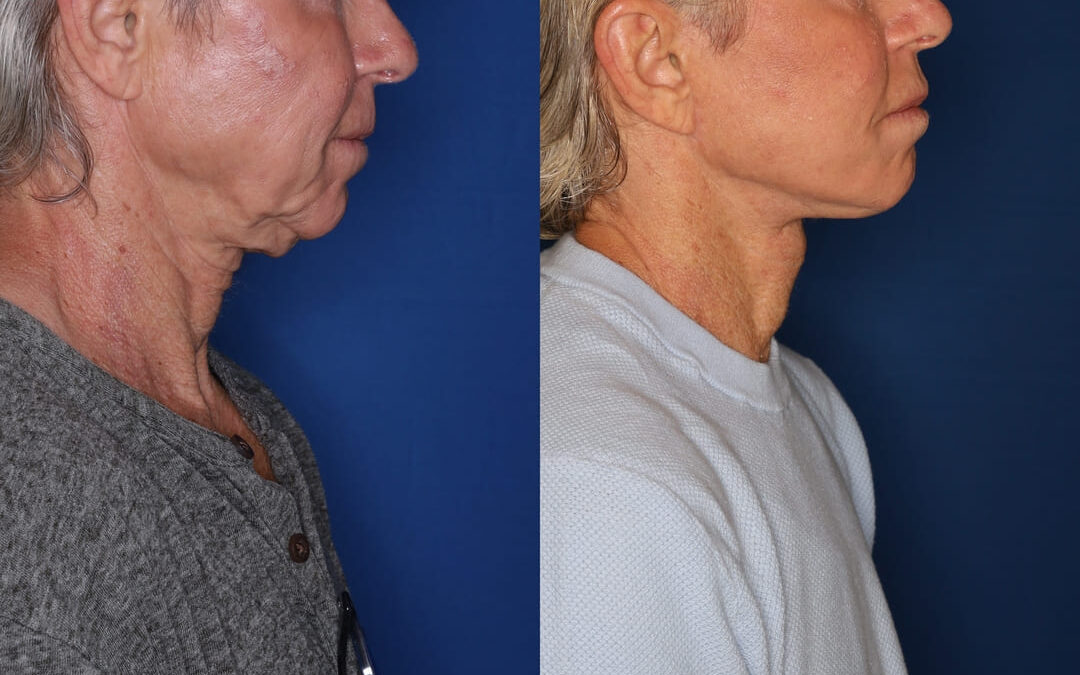
Deep Plane Facelift for Men and Neck Lift : The Quest for Timeless Masculinity
In an era where appearance plays an increasingly significant role in personal confidence and professional success, men are increasingly seeking aesthetic solutions to counteract the visible signs of aging. While the desire to look younger is universal, the approach to male facial rejuvenation must be distinct, respecting and enhancing masculine features rather than feminizing them. The deep plane facelift, often combined with a neck lift, stands out as a sophisticated surgical technique that delivers profound, natural-looking results, specifically tailored to the male anatomy and aesthetic.
The Deep Plane Facelift for men : A Paradigm Shift in Rejuvenation
The deep plane facelift is widely considered the most advanced and effective technique for comprehensive facial rejuvenation. Unlike older methods that primarily pull the skin, the deep plane technique addresses the underlying structures responsible for sagging, providing a more natural, durable, and superior result.
What is it and How Does it Differ?
At its core, a facelift aims to reposition descended facial tissues. Traditional facelifts often involved lifting the skin, then tightening the Superficial Musculoaponeurotic System (SMAS) either by excising a portion of it (SMASectomy) or folding it (SMAS plication). While these methods can be effective, they often place tension primarily on the skin, which can lead to a « pulled » or « stretched » look, less natural results, and a shorter duration of effect.
The deep plane facelift revolutionizes this by lifting the SMAS and the overlying skin and fat as a single, composite unit. This dissection occurs beneath the SMAS layer, releasing key retaining ligaments that hold the deeper tissues in place. By mobilizing these deeper structures, the entire complex of skin, fat, and muscle can be repositioned vertically, counteracting the effects of gravity more effectively and naturally.
Advantages of the Deep Plane Technique:
- More Natural Results: Because the skin is not separated from the SMAS, there is no tension on the skin itself. This prevents the « pulled » or « wind-swept » look and allows for a more natural redraping of tissues.
- Longer-Lasting Results: By addressing the deeper foundational structures, the results tend to be more durable, often lasting 10-15 years or more.
- Superior Midface Rejuvenation: The deep plane lift is particularly effective at lifting the descended malar fat pads, restoring volume to the midface and softening the nasolabial folds more comprehensively than other techniques.
- Less Visible Scars: The lack of tension on the skin means scars tend to heal more finely and are less prone to widening.
- Potentially Faster Recovery (for some aspects): While initial swelling and bruising are similar, the deep plane technique can sometimes lead to a quicker resolution of certain types of swelling and a more natural feel to the face sooner.
Anatomical Considerations for Deep Plane Facelift:
Understanding the intricate anatomy of the face is critical for a safe and effective deep plane facelift.
- The SMAS (Superficial Musculoaponeurotic System): This fibromuscular layer lies beneath the skin and subcutaneous fat, covering the parotid gland and extending into the neck as the platysma muscle. It’s the key target for repositioning in a deep plane lift.
- Facial Ligaments: These strong fibrous bands anchor the SMAS to the underlying bone (e.g., zygomatic ligaments near the cheekbone, masseteric ligaments over the jaw angle). In a deep plane lift, these ligaments must be carefully released to allow for true mobilization and repositioning of the SMAS-skin complex.
- Facial Nerve: The facial nerve (cranial nerve VII) controls all facial expressions. Its branches lie beneath the SMAS in the deep plane of dissection. The deep plane technique is considered safe in experienced hands because the dissection plane is consistently above the nerve branches as they emerge from the parotid gland, protecting them from injury. However, meticulous anatomical knowledge and surgical skill are paramount.
- Parotid Gland: The largest salivary gland, located in front of and below the ear, deep to the SMAS.
The Surgical Technique (Simplified Overview):
The deep plane facelift is performed under general anesthesia or deep intravenous sedation. The procedure typically involves:
- Incisions: Precisely placed incisions are made, usually starting in the temple hairline, extending down in front of the ear (often within the tragus or pre-tragal crease), around the earlobe, and then behind the ear into the posterior hairline. For men, careful planning is essential to manage the beard line and sideburns to avoid unnatural hair growth patterns or visible scars.
- Skin Flap Elevation (Limited): A relatively short skin flap is elevated from the SMAS, usually only a few centimeters, to gain access to the underlying deep plane. This limited skin dissection is a hallmark of the deep plane technique, as it minimizes tension on the skin.
- Deep Plane Dissection: This is the core of the procedure. The surgeon carefully dissects under the SMAS layer, releasing the retaining ligaments (zygomatic, masseteric, platysma-auricular) that tether the SMAS to the underlying bone and deep structures. This release allows the entire SMAS-fat-skin complex to be freely mobilized.
- Vector of Lift: Once mobilized, the SMAS-fat-skin unit is lifted in a predominantly vertical direction, directly opposing the downward pull of gravity. This vertical lift restores the youthful position of the midface, jawline, and neck.
- Redraping and Excision of Excess Skin: After the deep plane tissues are repositioned and secured with sutures, the overlying skin is gently redraped without tension. Any excess skin is meticulously trimmed, and the incisions are closed with fine sutures.
- Adjunctive Procedures: Often, a neck lift (platysmaplasty, liposuction) is performed concurrently through a small incision under the chin to address neck laxity and fat.
Specific Considerations for Men in Deep Plane Facelift:
A male deep plane facelift is not simply a female facelift performed on a man; it requires a distinct aesthetic philosophy and technical modifications:
- Beard Line Management: Incision placement is critical. The surgeon must avoid pulling beard-bearing skin onto the earlobe or behind the ear, which would result in hair growing in an unnatural location. Incisions are often placed in front of the tragus (the small cartilage projection in front of the ear canal) to preserve the natural beard line, or carefully designed to integrate into the sideburns.
- Maintaining Masculine Contours: The goal is to restore a strong, defined jawline and a sharp cervicomental angle, not to create a soft or overly smooth appearance. Over-tightening can lead to an unnatural, « feminized » look, which must be avoided.
- Thicker Skin and Vascularity: Male skin is thicker and often more vascular, which can lead to more bleeding during surgery and potentially more bruising post-operatively. Surgeons must be meticulous with hemostasis (controlling bleeding).
- Scar Quality: While deep plane reduces skin tension, male skin can sometimes be more prone to hypertrophic scarring (raised scars). Careful incision closure and post-operative scar management are essential.
- Avoiding the « Operated » Look: Men generally prefer subtle, undetectable results. The deep plane’s ability to create a natural lift without skin tension is particularly advantageous in this regard. The goal is to look like a younger, more refreshed version of oneself, not someone who has obviously had surgery.
The Neck Lift : Sculpting a Defined Jawline and Neck
While a deep plane facelift provides significant improvement to the lower face and upper neck, a dedicated neck lift is often essential for men to achieve a truly comprehensive and masculine rejuvenation. The neck is a critical area for male aesthetics, with a strong, well-defined jawline and a sharp cervicomental angle being hallmarks of youth and vitality.
Why is it Crucial for Men?
- Prominent Jawline: A defined jawline is a key masculine trait. Aging often blurs this line with jowling and neck laxity.
- Submental Fullness: Even lean men can develop a « double chin » due to genetics or aging, which significantly detracts from a youthful appearance.
- Platysmal Bands: The vertical cords in the neck (platysmal bands) are a tell-tale sign of aging and are often more noticeable in men due to less subcutaneous fat masking them.
- Holistic Rejuvenation: A facelift without a neck lift can leave a disconnect, with a rejuvenated face juxtaposed against an aged neck, creating an unnatural result.
Anatomical Targets of a Male Neck Lift:
- Platysma Muscle: This broad, thin muscle lies just beneath the skin of the neck. With age, it can weaken, separate in the midline, and form visible vertical bands.
- Submental Fat: Excess fat located directly under the chin.
- Deep Neck Fat: Fat located deeper, around structures like the digastric muscles.
- Submandibular Glands: These salivary glands can sometimes enlarge with age, contributing to fullness in the upper neck.
- Digastric Muscles: These muscles can hypertrophy (enlarge) and contribute to submental fullness.
- Excess Skin: Loose, inelastic skin that hangs in the neck.
Surgical Techniques for Neck Lift (often combined):
A neck lift is rarely a single technique but rather a combination of procedures tailored to the individual’s specific needs.
- Submental Liposuction:
- Purpose: To remove localized excess fat from beneath the chin and along the jawline.
- Technique: Performed through a small incision (typically 3-5mm) hidden under the chin. A thin cannula is inserted to suction out fat.
- Ideal Candidate: Younger patients with good skin elasticity and primarily fat accumulation, without significant skin laxity or platysmal banding.
- For Men: Often the first step to debulk the area and reveal underlying structures.
- Platysmaplasty (Platysma Muscle Tightening):
- Purpose: To address platysmal bands and tighten the muscle sling of the neck, creating a smoother contour and sharper cervicomental angle.
- Technique (Medial Plication/Corset Platysmaplasty): Through the submental incision, the platysma muscle edges are brought together and sutured in the midline, like tightening a corset. This eliminates bands and creates a more defined neck.
- Technique (Lateral Tightening): As part of a facelift, the lateral edges of the platysma are lifted and tightened behind the ears, further contributing to neck definition.
- For Men: Essential for eliminating « turkey wattle » and achieving a strong, continuous jawline.
- Excision of Deep Neck Fat, Submandibular Glands, or Digastric Muscles:
- Purpose: In some cases, fullness in the neck is not solely due to superficial fat or platysma laxity. Deeper fat, enlarged submandibular glands, or prominent digastric muscles can contribute.
- Technique: Through the submental incision, the surgeon can carefully remove or reduce these deeper structures to achieve a more sculpted neck. This is a more advanced maneuver requiring precise anatomical knowledge.
- For Men: Can be crucial for achieving the desired sharp cervicomental angle, especially in men with genetically prominent glands or deep fat.
- Skin Redraping and Excision:
- Purpose: To remove excess, loose neck skin.
- Technique: This is typically performed in conjunction with a facelift. After the underlying structures (SMAS, platysma) are tightened and repositioned, the excess skin is carefully redraped and trimmed from the incisions made around the ears and into the hairline.
- For Men: Ensures a smooth, taut neck without visible hanging skin.
Specific Considerations for Men in Neck Lift:
- Achieving a Sharp Cervicomental Angle: This is a hallmark of a masculine neck. The combination of liposuction, platysmaplasty, and potentially deep structure reduction is tailored to create this distinct angle.
- Avoiding Over-Tightening: While a tight neck is desirable, an overly stretched or « cobra neck » appearance is unnatural and must be avoided. The goal is definition, not constriction.
- Scar Placement: The submental incision is strategically placed in a natural crease under the chin to be inconspicuous. Incisions behind the ears are hidden within the hairline.
- Thicker Neck Skin: Similar to the face, male neck skin is thicker and can be less forgiving. The surgeon must account for this in planning the extent of skin redraping.
- Beard/Hairline Integration: Any incisions extending into the posterior hairline must be meticulously planned to avoid disrupting the natural hair growth pattern.
The Synergy: Combined Deep Plane Facelift and Neck Lift
For most men seeking comprehensive rejuvenation, a deep plane facelift and neck lift are performed concurrently. This combined approach offers several distinct advantages:
- Holistic Results: Addresses the entire lower face and neck unit, ensuring a seamless and harmonious transition from the cheeks to the collarbone.
- Optimized Outcomes: The deep plane lift provides a powerful vertical lift to the jowls and midface, while the neck lift sculpts the jawline and neck, creating a synergistic effect that is greater than the sum of its parts.
- Single Recovery Period: Patients undergo one surgical procedure and one recovery period, rather than multiple separate surgeries.
- Balanced Rejuvenation: Prevents the « operated » look where one area appears rejuvenated while an adjacent area still shows signs of aging.
The surgeon will typically begin with the deep plane facelift dissection, then move to the neck lift components (liposuction, platysmaplasty) through the submental incision, and finally redrape and close all incisions. This integrated approach allows for precise sculpting and tension-free closure.
Pre-Operative Journey: Consultation and Preparation
The journey to a successful deep plane facelift and neck lift begins long before the operating room. A thorough pre-operative process is critical for safety, optimal results, and patient satisfaction.
Choosing the Right Surgeon:
This is arguably the most crucial step. For a procedure as complex and nuanced as a deep plane facelift and neck lift, especially for men, select a surgeon who is:
- Board-Certified: Ensures rigorous training and adherence to high standards. Look for certification by the American Board of Plastic Surgery or equivalent national boards.
- Experienced in Deep Plane Facelifts: This is a specialized technique; ensure your surgeon performs it routinely.
- Experienced with Male Facelifts: Ask to see before-and-after photos of male patients. A surgeon who understands the male aesthetic will deliver more natural, masculine results.
- Has an Aesthetic Philosophy that Aligns with Yours: Do you prefer subtle changes or more dramatic ones? Discuss this openly.
- Communicative and Empathetic: You need to feel comfortable asking questions and trust your surgeon’s advice.
The Initial Consultation:
This is a comprehensive evaluation where the surgeon will:
- Discuss Your Goals and Concerns: What bothers you most? What do you hope to achieve? Be specific.
- Review Your Medical History: This includes past surgeries, current medications (prescription, over-the-counter, supplements), allergies, and any medical conditions (e.g., heart disease, diabetes, bleeding disorders). This is critical for assessing surgical risk.
- Perform a Physical Examination: The surgeon will assess your skin quality, elasticity, bone structure, extent of jowling, neck laxity, fat distribution, and platysmal banding. They will also evaluate your beard pattern and hairline.
- Take Standardized Photographs: These are essential for planning, documenting progress, and evaluating results.
- Discuss Realistic Expectations: The surgeon will explain what the surgery can and cannot achieve, the recovery process, and potential risks. It’s vital to understand that while significant improvement is possible, the goal is rejuvenation, not perfection or a completely different face.
- Outline the Surgical Plan: The specific techniques (deep plane, liposuction, platysmaplasty, etc.) will be discussed and tailored to your anatomy and goals.
Pre-Operative Instructions:
Once you decide to proceed, you will receive detailed instructions:
- Smoking Cessation: If you smoke, you must stop at least 4-6 weeks before surgery and continue to abstain for several weeks post-op. Smoking severely impairs healing and significantly increases the risk of complications like skin necrosis.
- Medication Review: Discontinue blood-thinning medications and supplements (e.g., aspirin, ibuprofen, naproxen, vitamin E, fish oil, herbal supplements) at least 2 weeks prior, as directed by your surgeon.
- Arrange for Support: You will need someone to drive you home after surgery and assist you for the first 24-48 hours.
- Prepare Your Home: Stock up on soft foods, arrange a comfortable recovery space, and have essentials within reach.
- Lab Tests and Medical Clearance: You may need blood tests, an EKG, or clearance from your primary care physician, especially if you have underlying health conditions.
- Hydration and Nutrition: Maintain good hydration and a healthy diet in the weeks leading up to surgery.
The Surgical Experience
On the day of surgery, you will arrive at the surgical facility (hospital or accredited outpatient center).
- Admission: You’ll be checked in, and nurses will prepare you for surgery.
- Anesthesia: An anesthesiologist will discuss the anesthesia plan with you. Deep plane facelifts and neck lifts are typically performed under general anesthesia, ensuring you are completely asleep and pain-free throughout the procedure. In some cases, deep intravenous sedation with local anesthesia may be used.
- Pre-Operative Marking: Your surgeon will make precise markings on your face and neck while you are awake and sitting upright. These markings guide the incisions and the vectors of lift.
- Duration: A combined deep plane facelift and neck lift can take anywhere from 4 to 7 hours, depending on the complexity and the extent of correction required.
- Post-Surgery: Once the surgery is complete, you will be moved to a recovery area where nurses will monitor you as you wake up from anesthesia. You will likely have a compression garment around your face and neck, and possibly small drains placed to collect any excess fluid or blood. Pain medication will be administered as needed.
Recovery and Post-Operative Care
Recovery is a gradual process, and patience is key. While the deep plane technique can sometimes lead to a quicker resolution of certain types of swelling, the overall recovery timeline is similar to other comprehensive facelift procedures.
Immediate Post-Operative Period (First Few Days):
- Swelling and Bruising: These are inevitable and will be most pronounced in the first 2-3 days, gradually subsiding over the next few weeks. Swelling can sometimes be asymmetrical.
- Discomfort: You will experience some discomfort, tightness, and soreness, which can be managed with prescribed pain medication.
- Numbness: Areas of your face and neck will feel numb due to nerve manipulation during surgery. This is temporary and will gradually resolve over weeks to months.
- Drains: If drains are placed, they are typically removed within 1-3 days, once the fluid output is minimal.
- Compression Garment: You will wear a compression garment continuously for the first week, and then often at night for several more weeks, as instructed by your surgeon. This helps reduce swelling and supports the healing tissues.
- Rest: Absolute rest is crucial. Keep your head elevated, even while sleeping, to help reduce swelling. Avoid bending, lifting, or straining.
- Hygiene: You will receive instructions on how to gently clean your incisions.
First Week:
- Suture Removal: Some sutures will be removed around day 5-7.
- Continued Swelling/Bruising: While improving, these will still be noticeable.
- Light Activity: You can typically resume light, non-strenuous activities, but avoid anything that raises your blood pressure.
- Diet: Stick to soft, easy-to-chew foods initially.
Weeks 2-4:
- Significant Improvement: Swelling and bruising will have substantially diminished, and you will start to see the emerging results.
- Return to Work: Many men feel comfortable returning to work or social activities by the end of week 2 or week 3, especially with makeup (if desired) or scarves to camouflage residual bruising.
- Exercise: Gradually reintroduce light exercise, avoiding heavy lifting or high-impact activities.
- Numbness: May still be present, but improving.
Months 1-6:
- Residual Swelling: Subtle swelling can persist for several months, particularly in the lower face and neck. The final contours will continue to refine.
- Scar Maturation: Scars will initially be red and slightly raised but will gradually soften, flatten, and fade to a fine, white line over 6-12 months.
- Return of Sensation: Sensation will continue to return.
- Full Activity: Most normal activities, including strenuous exercise, can be resumed after 6-8 weeks, with surgeon approval.
Long-Term Care:
- Sun Protection: Protect your healing skin and scars from the sun with high-SPF sunscreen and hats. Sun exposure can darken scars and accelerate future aging.
- Healthy Lifestyle: Maintain a healthy diet, exercise, and avoid smoking to prolong your results.
- Skincare: A good medical-grade skincare regimen can help maintain skin quality.
Results, Longevity, and Maintenance
The results of a deep plane facelift and neck lift for men are often transformative, yet natural.
Expected Results:
- Restored Jawline Definition: A crisp, well-defined jawline that enhances masculine contours.
- Smoother Neck: Elimination of platysmal bands, reduction of excess fat, and tightening of loose skin, creating a sharp cervicomental angle.
- Reduced Jowling: A smoother transition from the jawline to the chin.
- Softened Nasolabial Folds: A more youthful midface.
- Refreshed, Alert Appearance: Patients typically look 10-15 years younger, but still like themselves – just a more vibrant version.
Longevity:
Deep plane facelifts are known for their durability. While the aging process continues, the structural changes achieved by the deep plane technique typically last for 10-15 years, and often longer. Patients will always look better than if they had not had the surgery.
Maintaining Results:
While surgery provides a significant reset, it doesn’t stop the clock. To maintain and optimize your results:
- Sun Protection: Non-negotiable for preventing further skin damage.
- Healthy Lifestyle: Diet, exercise, and avoiding smoking are crucial.
- Skincare: Medical-grade skincare can improve skin texture and tone.
- Non-Surgical Treatments: Occasional injectables (Botox for dynamic wrinkles, fillers for volume loss) or laser treatments can complement surgical results and address superficial skin concerns.
- Future « Touch-Up » Procedures: While less common with deep plane, some individuals may opt for a minor revision or a less invasive procedure years down the line to address new signs of aging.
Potential Risks and Complications
While deep plane facelift and neck lift are generally safe procedures when performed by an experienced, board-certified surgeon, it’s crucial to be aware of potential risks and complications. Your surgeon will discuss these thoroughly during your consultation.
General Surgical Risks (common to any surgery):
- Anesthesia Risks: Reactions to anesthesia, nausea, etc.
- Infection: Rare, but possible. Treated with antibiotics.
- Bleeding/Hematoma: Collection of blood under the skin. May require drainage. This risk is slightly higher in men due to thicker skin and greater vascularity.
- Poor Wound Healing: Increased risk with smoking, certain medical conditions.
- Scarring: While efforts are made to hide scars, unfavorable scarring (hypertrophic or keloid) can occur, especially in male skin.
Specific Risks of Facelift/Neck Lift:
- Nerve Injury:
- Facial Nerve (Motor): Temporary weakness or paralysis of facial muscles (e.g., difficulty smiling, raising an eyebrow) is rare but possible. Permanent injury is exceedingly rare in experienced hands. The deep plane technique, when performed correctly, aims to protect the nerve branches.
- Sensory Nerves: Numbness or altered sensation is common and usually temporary, resolving over weeks to months. Permanent numbness in small areas is possible.
- Asymmetry: While surgeons strive for symmetry, some degree of natural asymmetry is inherent in all faces and may persist or be subtly altered. Significant asymmetry is rare.
- Skin Necrosis: Death of skin tissue, usually due to compromised blood supply. Very rare, but a significantly increased risk in smokers.
- Hair Loss: Temporary or, rarely, permanent hair loss around incisions in the temple or behind the ear.
- Unfavorable Aesthetic Outcome: The « pulled » look (less common with deep plane), unnatural contours, or dissatisfaction with results. This underscores the importance of choosing a surgeon with a strong aesthetic sense for male faces.
- Prolonged Swelling/Bruising: Can last longer in some individuals.
- Seroma: Collection of clear fluid under the skin, which may require drainage.
Why Deep Plane for Men is the Gold Standard
For men seeking comprehensive and natural facial and neck rejuvenation, the deep plane facelift combined with a neck lift stands as the preferred and often gold standard approach due to its unique advantages tailored to the male anatomy and aesthetic goals:
- Addresses Male-Specific Aging: Effectively targets deep jowling, loss of jawline definition, and significant neck laxity, which are prominent features of male facial aging.
- Preserves Masculine Contours: The vertical lift and deep tissue repositioning allow for the restoration of a strong, angular jawline and a sharp cervicomental angle, without creating a soft or feminized appearance.
- Natural-Looking Results: By lifting the SMAS-skin-fat complex as a single unit, tension is removed from the skin, preventing the dreaded « pulled, » « stretched, » or « wind-swept » look that men particularly wish to avoid. The result is a refreshed, more youthful version of oneself, not an « operated » one.
- Superior Midface Lift: The deep plane technique excels at lifting the descended malar fat pads, restoring youthful volume to the midface and effectively softening nasolabial folds, contributing to an overall more alert and less tired appearance.
- Long-Lasting Outcomes: By addressing the foundational structures of the face, the results are more durable and typically last longer than traditional facelift techniques.
- Reduced Scar Visibility: The lack of tension on the skin leads to finer, less noticeable scars that heal well, especially when meticulously placed to respect beard lines and hairlines.
- Comprehensive Rejuvenation: When combined with a neck lift, it offers a complete transformation of the lower face and neck, ensuring harmonious and balanced results.
In conclusion, a deep plane facelift and neck lift for men is a sophisticated and powerful surgical solution for turning back the clock on facial and neck aging. It requires a highly skilled surgeon with an in-depth understanding of male anatomy and aesthetics. When performed correctly, it can deliver profound, natural, and long-lasting results that restore confidence and present a more vibrant, masculine image. The decision to undergo such a procedure is significant and should be made after thorough research, careful consideration, and a comprehensive consultation with a qualified and experienced plastic surgeon.
What are the scar management techniques for men ?
Scar management is a critical component of any surgical procedure, and for men undergoing a deep plane facelift and neck lift, it holds particular significance. While the deep plane technique inherently minimizes tension on the skin, leading to finer scars, male skin characteristics and aesthetic preferences necessitate a meticulous approach to scar prevention and treatment. Unlike women, men typically don’t use makeup to conceal scars, making their inconspicuousness paramount.
Let’s elaborate on the multi-faceted approach to scar management for men, covering pre-operative planning, immediate post-operative care, and long-term strategies.
Pre-Operative Strategies: The Foundation of Good Scars
The journey to an inconspicuous scar begins long before the first incision. The surgeon’s skill, planning, and patient’s adherence to pre-operative instructions are foundational.
- Surgeon Selection and Expertise: This is paramount. A surgeon experienced in male facelifts understands the unique challenges of male anatomy, particularly regarding beard hair and thicker skin. Their ability to execute a tension-free closure is the single most important factor in achieving fine scars.
- Meticulous Incision Placement:
- Temple: Incisions are placed within the hairline to conceal them. For men with receding hairlines, the surgeon must be particularly careful to avoid placing the incision too far forward, which could become visible.
- Pre-Auricular (in front of the ear): For men, incisions are often placed just in front of the tragus (the small cartilage projection in front of the ear canal) or within the pre-tragal crease. This differs from women, where the incision is often placed inside the tragus to hide it. Placing it in front for men avoids pulling beard-bearing skin into the ear canal, which would result in hair growing in an unnatural location. The goal is for this incision to blend seamlessly with the natural skin folds.
- Post-Auricular (behind the ear): Incisions are typically placed in the natural crease where the ear meets the head (post-auricular sulcus) and then extend into the posterior hairline.
- Posterior Hairline: The incision is carefully angled and feathered into the hairline to avoid creating a noticeable step or distortion in hair growth. The surgeon must respect the natural direction of hair follicles.
- Submental (under the chin): A small incision is made in a natural crease under the chin. This area typically heals very well and is easily hidden.
- Beard Line Management: This is a critical male-specific consideration. The surgeon must ensure that the facelift does not distort the sideburns or pull hair-bearing skin onto the earlobe or behind the ear. Careful planning prevents hair from growing in areas where it shouldn’t, which is a dead giveaway of surgery.
- Tension-Free Closure: The deep plane technique is inherently advantageous here. By lifting and repositioning the deeper SMAS layer, the skin is redraped over the newly elevated tissues without tension. This significantly reduces the risk of wide or stretched scars.
- Smoking Cessation: This cannot be stressed enough. Smoking severely compromises blood flow to the skin, drastically increasing the risk of poor wound healing, skin necrosis (tissue death), and wide, unsightly scars. Men must stop smoking for at least 4-6 weeks pre-operatively and continue to abstain for several weeks post-operatively.
- Optimizing Health: Good nutrition, hydration, and control of underlying medical conditions (like diabetes) contribute to better healing.
Immediate Post-Operative Care (First Few Weeks): Minimizing Early Complications
The initial post-operative period is crucial for setting the stage for optimal scar healing.
- Keeping Incisions Clean and Dry: Follow your surgeon’s instructions meticulously. Gentle cleaning with saline or a prescribed solution helps prevent infection, which can worsen scarring.
- Gentle Handling: Avoid any pulling, stretching, or trauma to the incision sites. Be careful when washing your hair or shaving.
- Compression Garment: Wearing the prescribed compression garment as directed helps reduce swelling, which can put tension on incisions, and supports the healing tissues.
- Sun Protection: Even in the early stages, protecting scars from direct sunlight is vital. UV exposure can cause hyperpigmentation (darkening) of new scars, making them more noticeable. Wear a hat and stay in the shade.
- Avoiding Picking or Scratching: Resist the urge to pick at scabs or scratch itchy incisions, as this can disrupt the healing process and lead to infection or wider scars.
3. Long-Term Scar Maturation (Weeks to Months): Active Management
Scar maturation is a process that takes 12-18 months. Active management during this phase can significantly improve the final appearance of scars.
- Silicone-Based Products: These are considered the gold standard for scar management.
- Silicone Sheets/Tapes: These adhesive sheets are applied directly to the clean, dry scar. They work by providing occlusion, hydration, and gentle pressure, which helps flatten and soften scars, and reduce redness. They should be worn for at least 12-24 hours a day for several months, once the incisions are fully closed and dry.
- Silicone Gels: For areas where sheets are difficult to apply (e.g., around the ear contours, within hair), silicone gels can be used. They are applied as a thin layer and allowed to dry.
- Scar Massage: Once the incisions are fully healed (typically 3-4 weeks post-op), gentle massage can be beneficial. Using a moisturizer or silicone gel, massage the scars with light, circular motions for 5-10 minutes, several times a day. This helps break down collagen fibers, improve blood flow, and soften the scar tissue.
- Topical Treatments:
- Moisturizers: Keeping the skin well-hydrated is always good for healing.
- Specific Scar Creams: Some creams contain ingredients like onion extract, vitamin E, or other botanical extracts. While evidence for their efficacy varies, they can contribute to skin hydration and comfort. Always consult your surgeon before applying any new topical product. (Note: Vitamin E oil directly on scars is often discouraged by surgeons as it can sometimes cause irritation or contact dermatitis.)
- Continued Sun Protection: This remains crucial for the entire scar maturation period. New scars are particularly susceptible to UV damage, which can lead to permanent discoloration.
- Healthy Lifestyle: Maintaining a balanced diet rich in vitamins (especially C and A), minerals (like zinc), and protein supports collagen synthesis and overall skin health, aiding in optimal scar healing.
Advanced Treatments for Problematic Scars (If Needed)
Despite best efforts, some individuals may develop hypertrophic (raised, red) or keloid (raised, extending beyond the original wound) scars, or simply desire further improvement.
- Corticosteroid Injections: For hypertrophic or keloid scars, a series of intralesional corticosteroid injections can help flatten and soften the scar tissue and reduce redness. These are administered by your surgeon.
- Laser Treatments:
- Pulsed Dye Laser (PDL): This laser specifically targets blood vessels and is highly effective at reducing the redness (erythema) of new or hypertrophic scars.
- Fractional Lasers (e.g., Fraxel, CO2): These lasers create microscopic channels in the skin, stimulating collagen remodeling and improving scar texture, thickness, and overall appearance. They can be ablative (more aggressive) or non-ablative (milder).
- Microneedling: This technique uses fine needles to create controlled micro-injuries, stimulating collagen and elastin production, which can improve scar texture and tone.
- Scar Revision Surgery: In very rare cases of significantly wide, distorted, or symptomatic scars, surgical revision may be considered. This involves excising the old scar and carefully re-closing the wound with meticulous technique. However, with deep plane facelifts, this is seldom necessary.
Specific Considerations for Men in Scar Management:
- Thicker Skin: Male skin, being thicker, can sometimes be more prone to hypertrophic scarring. This means early and consistent application of silicone products and potentially earlier intervention with lasers or injections for any signs of problematic scarring might be beneficial.
- Lack of Concealment: As mentioned, men typically don’t use makeup. This places an even higher premium on the surgeon’s skill in incision placement and tension-free closure, and the patient’s diligence in post-operative scar care.
- Hair Growth Issues:
- Hair Loss Around Incisions: Sometimes, the trauma of surgery can temporarily or, rarely, permanently damage hair follicles near the incision, leading to a small patch of hair loss. This is usually minimal and can often be camouflaged by surrounding hair.
- Hair Growth in Scars: If beard-bearing skin is inadvertently pulled into the ear or behind it, hair can grow in these unnatural locations. This is a surgical planning error that must be avoided. If it occurs, options include laser hair removal or electrolysis.
- Patience and Consistency: Scar maturation is a long process. Men need to understand that scars will look their worst (reddest, most prominent) a few weeks to months after surgery before they start to fade. Consistent adherence to the scar management regimen for 6-12 months is key to achieving the best possible outcome.
In summary, achieving nearly invisible scars after a deep plane facelift and neck lift for men is a collaborative effort. It relies heavily on the surgeon’s expertise in planning and executing the procedure with male anatomy in mind, coupled with the patient’s diligent adherence to pre- and post-operative care instructions, particularly regarding smoking cessation, sun protection, and consistent use of scar management products.
