


Jaw Asymmetry Surgery : The surgical approach to facial harmony
2 février 2026
LIPO CLASSIQUE vs VASER HD 4K : LE MATCH
3 mars 2026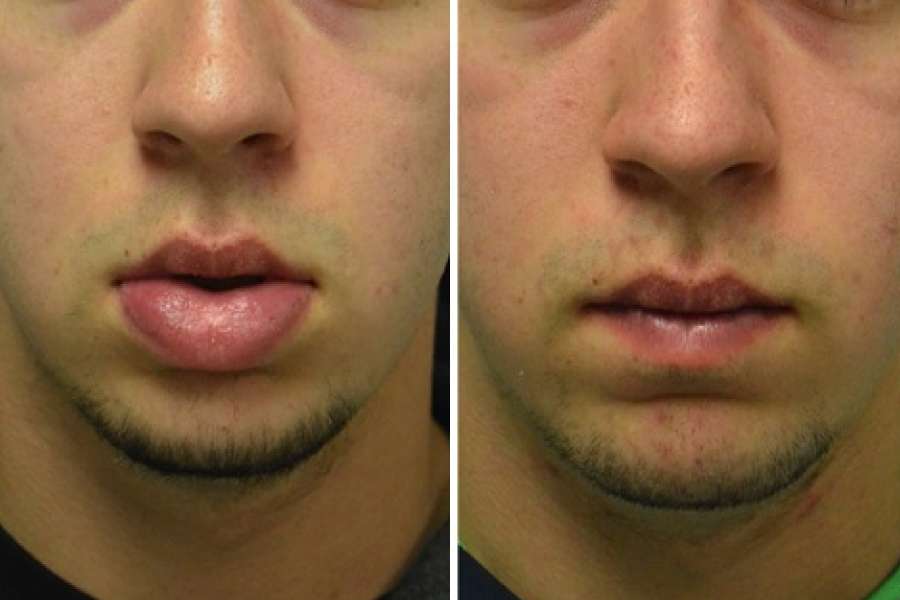
Smaller Lips in 60 Minutes ? The Truth About Lip Reduction surgery
Lip reduction surgery is not merely about removing tissue; it is an art and a science that requires a deep understanding of facial anatomy, aesthetic principles, and surgical precision. It addresses concerns ranging from naturally occurring macrocheilia (abnormally large lips) to lips enlarged due to trauma, congenital conditions, or even complications from previous augmentation procedures. The goal is always to achieve a natural-looking result that enhances facial harmony, improves functionality, and boosts the patient’s self-confidence. This comprehensive guide will delve into every aspect of lip reduction surgery, providing a detailed overview for anyone considering or seeking to understand this transformative procedure.
Anatomy of the Lips
Lip reduction surgery, or cheiloplasty, is a sophisticated and highly effective procedure for individuals seeking to reduce the size and volume of their lips for aesthetic or functional reasons. From addressing naturally occurring macrocheilia to correcting complications from previous augmentation, this surgery offers a pathway to a more balanced, harmonious, and confident facial appearance.
A thorough understanding of lip anatomy is paramount for any surgeon performing cheiloplasty. The lips are complex structures composed of skin, muscle, glandular tissue, and mucosa, richly supplied with blood vessels and nerves.
- Key Structures:
- Vermilion: This is the reddish-pink part of the lips, often referred to as the « red lip. » It is the primary target area for both augmentation and reduction procedures. The vermilion has a distinct border, the vermilion border, which defines the lip’s outline.
- Wet-Dry Vermilion Junction: This is the critical line where the outer, dryer part of the vermilion meets the inner, moist mucosal lining of the mouth. Incisions for lip reduction are often strategically placed here to conceal scars.
- Cupid’s Bow: The distinctive double-curved shape of the central upper lip vermilion, often considered a hallmark of aesthetic lips.
- Philtrum: The vertical groove in the midline of the upper lip, extending from the base of the nose to the Cupid’s bow.
- Oral Commissures: The corners of the mouth where the upper and lower lips meet.
- White Roll: The slightly raised, pale line that borders the vermilion, enhancing its definition.
- Muscle Layers: The primary muscle responsible for lip movement and shape is the orbicularis oris muscle. This sphincter-like muscle encircles the mouth, allowing for actions like puckering, smiling, and closing the lips. Surrounding muscles, such as the levator labii superioris, depressor labii inferioris, zygomaticus major, and buccinator, also contribute to lip dynamics and facial expressions. The surgeon must navigate these muscle layers carefully to avoid functional impairment.
- Glandular Tissue: The lips contain numerous minor salivary glands, particularly on the inner mucosal surface. These contribute to the bulk of the lip and are often part of the tissue removed during reduction.
- Vascular Supply: The lips are highly vascularized, primarily by branches of the facial artery, specifically the superior and inferior labial arteries. This rich blood supply contributes to the lips’ characteristic color and ensures rapid healing but also necessitates meticulous hemostasis during surgery.
- Nerve Supply: Sensory innervation to the lips is provided by branches of the trigeminal nerve (cranial nerve V) – the infraorbital nerve for the upper lip and the mental nerve for the lower lip. Motor innervation to the orbicularis oris and surrounding muscles comes from the facial nerve (cranial nerve VII). Preserving these nerve pathways is crucial to maintain sensation and motor function.
Understanding these anatomical details allows the surgeon to plan incisions that minimize visible scarring, preserve nerve and blood supply, and maintain the natural contour and function of the lips, leading to aesthetically pleasing and lasting results.
Indications for Lip Reduction Surgery
The decision to undergo lip reduction surgery is a deeply personal one, driven by a combination of aesthetic desires and, in some cases, functional necessities. The indications can be broadly categorized as follows:
- A. Aesthetic Concerns:
- Naturally Large Lips (Macrocheilia): Some individuals are born with lips that are naturally larger or thicker than they desire. This can be a familial trait or simply a personal perception of disproportion. Macrocheilia can make the lips appear heavy, protrusive, or out of balance with other facial features like the nose, chin, or eyes.
- Disproportionate Lip Size: Often, one lip (e.g., the upper lip) may be significantly larger than the other, creating an imbalanced appearance. The ideal aesthetic ratio often suggests the lower lip should be slightly fuller than the upper lip, or they should be roughly equal in volume. When this balance is disrupted, reduction can restore harmony.
- Ethnic Considerations: While full lips are celebrated in many cultures, individuals from certain ethnic backgrounds may have naturally thicker lips that they wish to refine to better suit their personal aesthetic preferences or to achieve a more Westernized appearance, if that is their goal. It’s crucial for surgeons to approach this with cultural sensitivity and respect for the patient’s individual desires.
- Desire for a More Balanced Facial Appearance: The lips are part of the overall facial aesthetic. If large lips dominate the face, they can detract from other features. Reducing their size can bring the entire face into better proportion, allowing other features to stand out more.
- B. Functional Concerns:
While often considered a cosmetic procedure, lip reduction can significantly alleviate functional problems.- Speech Impediments: Excessively large lips can sometimes interfere with articulation, making certain sounds difficult to pronounce clearly. This can lead to speech impediments or a muffled speaking voice.
- Difficulty with Oral Hygiene: Very thick lips can make it challenging to effectively brush teeth, especially the front teeth, and maintain proper oral hygiene, potentially contributing to dental issues.
- Drooling: In some cases of severe macrocheilia, the lips may not fully close, leading to involuntary drooling, particularly during sleep or when speaking.
- Eating Difficulties: Large lips can interfere with the ability to eat certain foods neatly or comfortably.
- Breathing Issues: While rare, extremely large lips can sometimes contribute to mouth breathing or obstruct the airway in certain positions.
- C. Post-Traumatic or Congenital Deformities:
- Trauma: Injuries to the lips can sometimes result in excessive scarring or tissue hypertrophy, leading to an enlarged or irregular lip contour that may benefit from reduction and reshaping.
- Congenital Conditions: Certain rare congenital conditions can cause macrocheilia, necessitating surgical correction for both aesthetic and functional reasons.
- D. Overcorrection from Previous Lip Augmentation:
With the increasing popularity of lip augmentation, particularly with permanent fillers (e.g., silicone injections) or fat grafting, there has been a rise in cases of overcorrection or undesirable results.- Silicone Granulomas/Excessive Filler: Permanent fillers, if improperly administered or if the body reacts adversely, can lead to granuloma formation, lumps, or excessive, unnatural-looking enlargement. Lip reduction surgery can be used to excise these problematic tissues and restore a more natural contour.
- Migration of Fillers: Some fillers can migrate, causing unevenness or unnatural bulges.
- Unsatisfactory Aesthetic Outcome: Even with absorbable fillers, some patients may feel their lips were made too large or have an unnatural shape, and they may seek a more permanent solution through reduction once the filler has dissipated or if it’s a permanent filler.
In all these scenarios, the patient’s motivation, realistic expectations, and overall health are critical factors in determining suitability for the procedure.
Contraindications and Patient Selection
Careful patient selection is paramount for the success and safety of lip reduction surgery. Not everyone is an ideal candidate, and certain conditions may preclude an individual from undergoing the procedure.
- A. General Health Considerations:
- Systemic Diseases: Patients with uncontrolled chronic diseases such as diabetes, severe cardiovascular disease, or autoimmune disorders may have impaired healing capabilities or increased surgical risks.
- Bleeding Disorders: Individuals with hemophilia or other clotting disorders are at a higher risk of excessive bleeding during and after surgery.
- Compromised Immune System: Patients with weakened immune systems may be more susceptible to infections.
- Active Infections: Any active oral or systemic infection must be resolved before surgery to prevent complications.
- B. Psychological Readiness and Realistic Expectations:
- Unrealistic Expectations: Patients must have a clear and realistic understanding of what lip reduction can achieve. The goal is improvement and balance, not perfection or a complete transformation into someone else’s lips.
- Body Dysmorphic Disorder (BDD): Individuals suffering from BDD have a distorted perception of their appearance and may seek endless surgical modifications without ever achieving satisfaction. Surgeons must be adept at screening for BDD and, if suspected, refer the patient for psychological evaluation before considering surgery. Operating on patients with BDD often leads to dissatisfaction and further distress.
- Emotional Stability: Patients should be in a stable emotional state, free from significant stress or crisis, to make informed decisions and cope with the recovery process.
- C. Active Infections or Inflammatory Conditions:
- Oral Herpes (Cold Sores): An active herpes outbreak on or around the lips is an absolute contraindication. Surgery can trigger a severe outbreak. Prophylactic antiviral medication may be prescribed for patients with a history of recurrent cold sores.
- Perioral Dermatitis or Other Skin Conditions: Any active inflammatory skin condition around the mouth should be treated and resolved prior to surgery.
- D. Smoking and its Impact on Healing:
- Nicotine’s Effects: Smoking significantly impairs blood circulation, constricts blood vessels, and reduces oxygen delivery to tissues. This dramatically increases the risk of complications such as poor wound healing, infection, tissue necrosis, and prominent scarring.
- Cessation Requirement: Most surgeons require patients to stop smoking for at least 4-6 weeks before surgery and continue abstinence throughout the initial healing period.
- E. Certain Medications:
- Blood Thinners: Medications like aspirin, ibuprofen (NSAIDs), warfarin, and certain herbal supplements (e.g., ginkgo biloba, garlic, vitamin E) can increase bleeding risk. Patients must discontinue these under medical supervision well in advance of surgery.
- Immunosuppressants: These can affect healing and increase infection risk.
- Accutane (Isotretinoin): This medication for acne can impair wound healing and increase scarring risk. Surgeons typically advise waiting at least 6-12 months after discontinuing Accutane before elective surgery.
- F. Unrealistic Expectations or Body Dysmorphic Disorder (BDD) Screening:
As mentioned, identifying and addressing BDD is crucial. A patient’s desire for surgery should stem from a genuine concern about a physical feature that is realistically amenable to improvement, not from an underlying psychological distress that surgery cannot resolve. A thorough consultation involves not just physical assessment but also a careful evaluation of the patient’s motivations and psychological state.
Pre-Operative Consultation and Planning
The pre-operative phase is critical for the success of lip reduction surgery. It involves a detailed assessment, meticulous planning, and thorough patient education.
- A. Initial Assessment and Patient History:
The surgeon will take a comprehensive medical history, including any previous surgeries (especially facial or oral), allergies, current medications (prescription, over-the-counter, herbal supplements), smoking and alcohol habits, and any pre-existing medical conditions. A detailed dental history may also be relevant. - B. Physical Examination:
- Lip Measurements: The surgeon will carefully measure the vertical and horizontal dimensions of both the upper and lower lips, assessing their projection, symmetry, and overall volume.
- Facial Proportions: The lips will be evaluated in relation to other facial features (nose, chin, eyes, teeth) to determine overall facial harmony and balance. The surgeon will assess the patient’s dental occlusion (bite) and how the lips rest at rest and during animation.
- Soft Tissue Quality: The elasticity, texture, and presence of any scars or previous augmentation materials will be noted.
- Dynamic Assessment: The surgeon will observe the lips during various expressions (smiling, speaking, puckering) to understand their dynamic behavior.
- C. Photography and 3D Imaging:
- Standardized Photography: High-quality photographs from multiple angles (frontal, profile, oblique views, smiling, at rest) are essential for pre-operative planning, post-operative comparison, and documentation.
- 3D Imaging (Optional but Recommended): Advanced 3D imaging systems can create a detailed digital model of the patient’s face. This allows the surgeon to simulate different degrees of reduction and visualize the potential outcome, providing a powerful tool for patient education and shared decision-making. It helps both the surgeon and patient align on the desired aesthetic.
- D. Discussion of Goals and Expectations:
This is a crucial conversation where the patient articulates their desired outcome, and the surgeon provides realistic expectations. It’s important to clarify what can and cannot be achieved, discuss potential limitations, and ensure the patient understands the balance between reduction and maintaining natural lip contour and function. - E. Surgical Plan Development:
Based on the assessment, the surgeon will formulate a precise surgical plan.- Amount of Tissue to be Removed: This is determined by the degree of reduction desired and the current lip volume. The surgeon will aim for a natural, proportionate result, avoiding over-resection.
- Incision Design: The most common approach involves an elliptical or fusiform incision made along the wet-dry vermilion junction on the inner aspect of the lip. This strategic placement helps to conceal the resulting scar within the mouth. For specific contouring or more significant reduction, other patterns like W-plasty or Z-plasty might be considered, though less common for primary reduction.
- Anesthesia Options:
- Local Anesthesia: For minor reductions, local anesthetic injections alone may suffice, numbing the lips while the patient remains awake.
- IV Sedation (Twilight Sleep): This involves intravenous medication to induce a relaxed, drowsy state, often combined with local anesthesia. The patient is conscious but typically has no memory of the procedure.
- General Anesthesia: For more extensive reductions, or if combined with other procedures, general anesthesia (where the patient is completely unconscious) may be preferred. The choice depends on the extent of surgery, patient preference, and the surgeon’s recommendation.
- F. Informed Consent Process:
The patient must fully understand the procedure, its benefits, potential risks, alternatives, and expected recovery. A detailed informed consent document will be reviewed and signed, confirming the patient’s understanding and agreement. - G. Pre-operative Instructions:
Patients receive specific instructions to follow before surgery, which typically include:- Medication Adjustments: Discontinuing blood thinners, certain supplements, and potentially starting prophylactic antiviral medication for those prone to cold sores.
- Smoking Cessation: Strict abstinence from smoking.
- Fasting: Instructions on when to stop eating and drinking before surgery, especially if sedation or general anesthesia is used.
- Arranging for Transportation: Patients will need someone to drive them home after the procedure.
- Hygiene: Specific instructions regarding oral hygiene before surgery.
Surgical Techniques for Lip Reduction
Lip reduction surgery is a delicate procedure requiring precision and an artistic eye to achieve natural and harmonious results. The goal is to remove excess tissue while preserving the natural contour, function, and sensation of the lips, with scars hidden as much as possible.
- A. Anesthesia Administration:
Once the patient is comfortably positioned, anesthesia is administered according to the pre-operative plan. If local anesthesia is used, it’s injected directly into the lips. For IV sedation or general anesthesia, the anesthesiologist manages the patient’s comfort and vital signs. - B. Marking the Incisions:
This is a critical step performed while the patient is awake (if local anesthesia is used) or just before the procedure begins. The surgeon meticulously marks the planned excision area on the wet-dry vermilion junction of the inner lip. The markings are precise, outlining the amount and shape of tissue to be removed. This often involves an elliptical or fusiform shape, designed to reduce volume evenly and maintain the natural curve of the lip. The surgeon may ask the patient to smile or make various expressions to ensure the markings account for dynamic lip movement. - C. Excision of Excess Tissue:
Once the markings are confirmed and anesthesia is effective, the surgeon proceeds with the excision.- Wedge Excision (Elliptical, Fusiform): This is the most common technique. An elliptical or fusiform (spindle-shaped) strip of tissue is removed from the inner mucosal surface of the lip, typically along the wet-dry vermilion junction. This strip includes mucosa, submucosal fat, and minor salivary glands. The depth of the excision is carefully controlled to avoid damaging the underlying orbicularis oris muscle, which is crucial for lip function. This technique effectively reduces the overall volume of the lip.
- W-Plasty or Z-Plasty: These techniques are less commonly used for primary lip reduction but may be employed in specific cases to address very irregular contours or to subtly reshape the lip, particularly the Cupid’s bow, while reducing volume. They involve a series of small, interlocking incisions that can break up linear scars and redistribute tension.
- Submucosal Excision: In rare cases of diffuse lip enlargement without a clear vermilion border, a submucosal approach might be considered, where tissue is removed from beneath the mucosal surface, leaving the outer mucosa intact. However, this is more complex and carries a higher risk of irregularities.
- D. Hemostasis:
Given the rich vascular supply of the lips, meticulous hemostasis (stopping bleeding) is essential. Small blood vessels are carefully cauterized (sealed with heat) during the excision to minimize bleeding and reduce the risk of hematoma (blood collection) formation. - E. Closure Techniques:
After the desired amount of tissue is removed and bleeding is controlled, the incision is closed in layers to ensure proper healing and minimize scarring.- Layered Closure: The deeper submucosal layers are closed first with fine, absorbable sutures. This helps to bring the edges of the wound together, reduce tension on the outer mucosal layer, and provide structural support.
- Mucosal Closure: The outer mucosal layer is then meticulously closed with very fine, absorbable sutures. These sutures are typically placed in a way that minimizes visible marks and promotes a smooth, even surface. The goal is to create an inconspicuous scar that blends seamlessly with the natural texture of the inner lip.
- Suture Materials: Absorbable sutures are preferred for lip reduction as they dissolve on their own, eliminating the need for removal and reducing patient discomfort.
- F. Specific Considerations for Upper vs. Lower Lip Reduction:
- Upper Lip: Reduction of the upper lip requires careful attention to the Cupid’s bow and philtral columns to preserve their aesthetic definition. The goal is to reduce volume without flattening these critical features.
- Lower Lip: Lower lip reduction is generally more straightforward, often involving a simple elliptical excision. The aim is to achieve a balanced projection relative to the upper lip and the chin.
- G. Combination with Other Procedures:
Sometimes, lip reduction is performed as part of a larger facial aesthetic plan. It might be combined with:- Chin Augmentation (Genioplasty): To improve overall facial profile and balance.
- Rhinoplasty (Nose Job): To create harmony between the nose and lips.
- Facelift or Neck Lift: As part of a comprehensive rejuvenation.
Such combinations require even more extensive planning and coordination.
The entire procedure typically takes about 30 minutes to an hour, depending on the extent of reduction and whether one or both lips are being treated.
Post-Operative Care and Recovery
Proper post-operative care is crucial for optimal healing, minimizing complications, and achieving the best possible results from lip reduction surgery. Patients should be prepared for a recovery period that involves some discomfort, swelling, and temporary dietary adjustments.
- A. Immediate Post-Op (First 24-72 hours):
- Pain Management: Mild to moderate pain is common. It can typically be managed with prescribed oral pain relievers (analgesics) or over-the-counter medications like acetaminophen. Avoid NSAIDs (e.g., ibuprofen, naproxen) unless specifically cleared by your surgeon, as they can increase bleeding.
- Swelling and Bruising: Significant swelling is expected immediately after surgery and will peak within the first 2-3 days. Bruising around the lips may also occur.
- Cold Compresses: Applying cold compresses or ice packs to the lips intermittently for the first 24-48 hours helps to reduce swelling and discomfort. Ensure the ice is wrapped in a cloth to prevent direct contact with the skin, which can cause frostbite.
- Head Elevation: Keeping the head elevated, even while sleeping, helps to minimize swelling.
- B. Medications:
- Antibiotics: Oral antibiotics are often prescribed for a few days post-surgery to prevent infection, given the oral environment.
- Analgesics: As mentioned, pain medication will be prescribed or recommended.
- Anti-inflammatories: Sometimes, a short course of oral corticosteroids may be prescribed to further reduce swelling, though this is not always necessary.
- Antivirals: If the patient has a history of cold sores, prophylactic antiviral medication (e.g., acyclovir, valacyclovir) will likely be continued or started to prevent an outbreak triggered by the surgery.
- C. Dietary Restrictions:
- Soft Foods: For the first few days to a week, a soft, bland diet is recommended to avoid irritating the incision sites and minimize chewing. Examples include yogurt, smoothies, mashed potatoes, soups, and soft pasta.
- Avoiding Hot/Spicy Foods: Hot temperature foods and spicy foods can irritate the healing tissues and should be avoided.
- Hydration: Staying well-hydrated is important for overall healing.
- Straws: Avoid using straws initially, as the sucking motion can put pressure on the healing lips and potentially dislodge sutures or increase swelling.
- D. Oral Hygiene:
- Gentle Rinsing: Regular, gentle rinsing with an antiseptic mouthwash (e.g., chlorhexidine) or warm salt water (1/2 teaspoon salt in 8 ounces of warm water) is crucial to keep the surgical area clean and prevent infection. This should be done after meals and before bedtime.
- Avoiding Brushing Incision Site: Avoid direct brushing over the incision sites for the first week. You can gently brush your teeth, being careful around the lips.
- Lip Moisturizer: Keep the outer lips moisturized to prevent cracking and discomfort.
- E. Activity Restrictions:
- Avoiding Strenuous Activity: Strenuous physical activity, heavy lifting, and activities that increase blood pressure should be avoided for at least 2-4 weeks to prevent increased swelling, bleeding, and delayed healing.
- Sun Exposure: Protect the healing lips from direct sun exposure, which can exacerbate swelling and potentially lead to hyperpigmentation of scars.
- Smiling/Talking: While some movement is inevitable, try to minimize excessive stretching of the lips (e.g., very wide smiles, prolonged talking) for the first few days to protect the sutures.
- F. Swelling Management:
While cold compresses are used initially, swelling will gradually subside over several weeks. Most significant swelling resolves within 2-4 weeks, but residual subtle swelling can persist for 3-6 months. Patience is key during this phase. - G. Follow-up Appointments:
The surgeon will schedule follow-up appointments to monitor healing, check for complications, and remove any non-dissolvable sutures (though absorbable sutures are commonly used). The first follow-up is typically within a week of surgery. - H. Timeline for Recovery:
- Initial Healing (1-2 weeks): Most sutures dissolve or are removed. Significant swelling begins to subside, and patients can typically return to light social activities.
- Resolution of Swelling (1-3 months): The majority of swelling will have resolved, and the new lip contour will become more apparent.
- Final Results (3-6 months): The lips will have completely settled, and the final shape and size will be visible. Scars inside the mouth typically become imperceptible over time.
Potential Risks and Complications
Like any surgical procedure, lip reduction carries potential risks and complications. While serious complications are rare, patients must be fully aware of them before proceeding.
- A. Common Risks (Usually temporary and manageable):
- Swelling and Bruising: As discussed, these are expected and generally resolve within a few weeks.
- Pain and Discomfort: Manageable with medication, typically subsides within a few days to a week.
- Infection: Though rare due to antibiotics and good oral hygiene, it can occur. Symptoms include increased pain, redness, warmth, pus, or fever. It usually responds to antibiotics.
- Numbness or Altered Sensation: Temporary numbness or tingling in the lips is common due to nerve manipulation during surgery. It usually resolves as nerves heal, but in rare cases, a small area of altered sensation can be permanent.
- Asymmetry: Minor degrees of asymmetry are natural in the human face. However, significant or noticeable asymmetry post-surgery can occur due to uneven healing, swelling, or surgical technique. This may require revision surgery.
- Scarring: While incisions are placed inside the mouth to be inconspicuous, any incision creates a scar. Most intraoral scars heal very well and become virtually invisible. However, in some individuals, scars can become hypertrophic (raised and red) or, rarely, keloid (excessively grown beyond the wound boundaries), especially in those prone to such scarring.
- B. Less Common/Serious Risks:
- Hematoma: A collection of blood under the skin. While rare in lip reduction, it can cause significant swelling and pain and may require drainage.
- Nerve Damage (Motor or Sensory): Damage to the facial nerve (motor) could lead to temporary or permanent weakness or paralysis of lip muscles, affecting expression. Damage to sensory nerves could result in permanent numbness. This is extremely rare with proper surgical technique.
- Allergic Reaction to Anesthesia: A rare but serious systemic reaction to anesthetic agents.
- Overcorrection or Undercorrection:
- Overcorrection: Too much tissue is removed, resulting in lips that are too thin. This is a challenging complication to correct and may require fat grafting or other augmentation techniques.
- Undercorrection: Not enough tissue is removed, and the lips remain larger than desired. This can usually be addressed with a secondary, minor revision procedure.
- Mucosal Cysts: Small cysts can sometimes form if a minor salivary gland duct is inadvertently ligated or trapped during closure. These are usually benign and can be excised if bothersome.
- Speech Impairment: Temporary difficulty with articulation due to swelling or altered lip sensation is possible. Permanent speech changes are extremely rare but could occur if muscle function is significantly compromised.
- Wound Dehiscence: Rare, but the surgical incision can open up, usually due to excessive tension, infection, or poor healing. This would require re-suturing.
- C. How to Minimize Risks:
- Choose a Board-Certified Surgeon: Selecting an experienced, board-certified plastic surgeon or oral and maxillofacial surgeon is the most crucial step.
- Follow Pre- and Post-Operative Instructions: Adhering strictly to all guidelines, especially regarding smoking cessation, medication adjustments, and oral hygiene, significantly reduces risks.
- Communicate Concerns: Report any unusual symptoms or concerns to your surgeon immediately.
Expected Results and Long-Term Outcomes
The success of lip reduction surgery is measured not only by the immediate post-operative appearance but also by the long-term stability of the results and the patient’s overall satisfaction.
- A. Aesthetic Improvement:
The primary goal is to achieve a more proportionate and balanced lip size relative to the rest of the face. This can include:- Reduced Volume: Lips appear less bulky and protrusive.
- Improved Definition: The vermilion border and Cupid’s bow can become more defined.
- Enhanced Facial Harmony: The lips no longer dominate the face, allowing other features to be appreciated.
- Natural Appearance: The best results are those that look natural, as if the patient was born with lips of that size and shape.
- B. Functional Improvement:
For patients with functional concerns, the surgery can lead to:- Improved Speech: Clearer articulation and easier pronunciation of words.
- Easier Oral Hygiene: Better access for brushing and flossing.
- Reduced Drooling: Improved lip competence, allowing for better closure.
- More Comfortable Eating: Easier manipulation of food.
- C. Scarring:
The incisions are strategically placed on the inside of the lips, along the wet-dry vermilion junction. This means the resulting scars are typically hidden from view. Over time, these intraoral scars usually heal very well, becoming soft, flat, and virtually imperceptible. Patients rarely experience visible external scarring. - D. Longevity of Results:
The results of lip reduction surgery are considered permanent. The excised tissue does not grow back. However, the natural aging process will continue, affecting the lips just like other facial tissues (e.g., loss of elasticity, thinning of the vermilion, descent of the oral commissures). These age-related changes are distinct from the surgical outcome. - E. Patient Satisfaction Rates:
Patient satisfaction with lip reduction surgery is generally high, especially when expectations are realistic and the procedure is performed by an experienced surgeon. Patients often report feeling more confident, experiencing improved facial balance, and alleviating previous functional difficulties. - F. Psychological Impact and Improved Self-Confidence:
For many individuals, the psychological benefits extend beyond the physical changes. Correcting a feature that has been a long-standing source of self-consciousness can significantly boost self-esteem, improve social interactions, and enhance overall quality of life. The ability to smile, speak, and eat more comfortably and confidently can be truly transformative.
Choosing a Qualified Surgeon
The choice of surgeon is arguably the most critical decision in ensuring a safe and successful lip reduction outcome. This procedure requires a specialized skill set and an aesthetic eye.
- A. Board Certification:
Prioritize surgeons who are board-certified in:- Plastic Surgery: These surgeons have extensive training in aesthetic and reconstructive procedures across the entire body, including facial surgery.
- Oral and Maxillofacial Surgery: These specialists have deep expertise in the anatomy and surgery of the face, mouth, and jaws.
Board certification indicates that a surgeon has met rigorous standards of education, training, and ethical practice.
- B. Experience with Lip Reduction:
While board certification is essential, specific experience with lip reduction surgery is equally important. Ask the surgeon:- How many lip reduction procedures have they performed?
- How frequently do they perform this specific surgery?
An experienced surgeon will be more adept at planning, executing, and managing potential complications.
- C. Before-and-After Photos:
Review the surgeon’s portfolio of before-and-after photos of previous lip reduction patients. Look for:- Natural-Looking Results: Do the lips look balanced and proportionate to the patient’s other facial features?
- Variety of Cases: Does the surgeon have experience with different lip sizes and shapes, and various ethnic backgrounds?
- Consistency: Do the results consistently demonstrate good aesthetic outcomes?
- Clear Views: Ensure photos are taken from multiple angles and under consistent lighting.
- D. Patient Reviews and Testimonials:
Online reviews and testimonials from previous patients can offer insights into a surgeon’s patient care, communication style, and overall satisfaction levels. However, remember to consider these as one piece of the puzzle, as individual experiences can vary. - E. Communication Style and Rapport:
During the consultation, assess how well the surgeon communicates. Do they:- Listen attentively to your concerns and goals?
- Explain the procedure, risks, and recovery clearly and thoroughly?
- Address all your questions patiently?
- Make you feel comfortable and confident in their abilities?
A good rapport is essential for a positive surgical journey.
- F. Facility Accreditation:
Ensure that the surgical facility (hospital or outpatient surgery center) is accredited by a recognized organization (e.g., AAAASF, JCAHO). Accreditation ensures that the facility meets strict standards for patient safety, equipment, and staff qualifications.
Cost of Lip Reduction Surgery
The cost of lip reduction surgery can vary significantly based on several factors. It’s important to obtain a detailed breakdown of all expenses during your consultation.
- A. Factors Influencing Cost:
- Surgeon’s Fees: This is typically the largest component and reflects the surgeon’s experience, reputation, and geographic location. Highly sought-after surgeons in major metropolitan areas may have higher fees.
- Anesthesia Fees: The cost of anesthesia depends on the type of anesthesia used (local, IV sedation, general) and the duration of the procedure. It covers the anesthesiologist’s or nurse anesthetist’s services.
- Facility Fees: This covers the use of the operating room or surgical suite, equipment, and nursing staff.
- Pre- and Post-Operative Care: Some clinics may include follow-up appointments and initial dressings in the overall fee, while others may bill them separately.
- Geographic Location: Costs can vary considerably by region and city.
- Complexity of the Procedure: If the reduction is more extensive, involves both lips, or requires revision from previous augmentation, the cost may be higher.
- B. Insurance Coverage:
Lip reduction surgery is almost always considered an elective cosmetic procedure. As such, it is rarely covered by health insurance.- Functional Indications: In very rare cases, if the macrocheilia is severe enough to cause significant functional impairment (e.g., documented speech impediments, chronic drooling, severe eating difficulties) and can be medically justified, a portion of the cost might be covered. However, this requires extensive documentation and pre-authorization from the insurance company, and even then, aesthetic components are typically excluded.
- Reconstructive Cases: If the surgery is reconstructive in nature (e.g., correcting deformities from trauma, tumor removal, or certain congenital conditions), there may be a higher likelihood of partial coverage.
- C. Financing Options:
Many plastic surgery practices offer financing plans or work with third-party medical financing companies (e.g., CareCredit) to help patients manage the cost of the procedure through monthly payments. Discuss these options with the clinic’s financial coordinator.
It’s crucial to get a comprehensive quote that includes all potential costs to avoid surprises. Do not choose a surgeon based solely on price; prioritize safety, experience, and quality of results.
Conclusion
The journey begins with a thorough understanding of the lips’ intricate anatomy, followed by a meticulous pre-operative consultation where patient goals are aligned with realistic surgical outcomes. The surgical techniques, primarily involving precise excision of excess tissue from the inner lip, are designed to create natural-looking results with well-concealed scars. Post-operative care is vital for optimal healing, managing expected swelling and discomfort, and ensuring a smooth recovery.
While potential risks and complications exist, they are generally rare and can be minimized by choosing a highly qualified, board-certified surgeon with extensive experience in lip reduction. The long-term outcomes are typically permanent, leading to significant aesthetic and functional improvements, and a substantial boost in patient self-confidence.
Ultimately, lip reduction surgery is more than just a physical alteration; it is a transformative experience that can profoundly impact an individual’s self-perception and quality of life. For those contemplating this procedure, an informed decision, guided by expert medical advice and a clear understanding of all its facets, is the cornerstone of a successful and satisfying result.
